
🚦 E-Rickshaws: Convenience Without Regulation Is Chaos
E-rickshaws have become an essential part of urban mobility—affordable, eco-friendly, and easily accessible. But when convenience grows faster than regulation, it starts creating more problems than solutions. Today, in many areas, e-rickshaws operate without proper structure, leading to traffic congestion, unsafe driving, and complete disorder on the roads.
The Real Issue: Lack of Regulation
The problem is not e-rickshaws—it’s the absence of clear rules and enforcement.
- No fixed stands → vehicles stop anywhere, blocking traffic
- No limit on numbers → overcrowding on already narrow roads
- Inconsistent licensing → not all drivers are properly verified
- Random parking → creates bottlenecks in busy areas
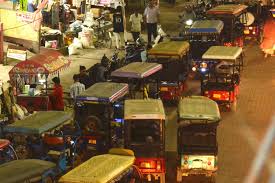
What should be a solution for last-mile connectivity is slowly turning into a traffic management challenge.
What Needs to Be Done
A few practical steps can bring immediate improvement:
- Proper licensing system → ensure only verified drivers operate
- Designated e-rickshaw stands → organized pick-up & drop points
- Limit on numbers per area → avoid oversaturation
- Traffic awareness campaigns → for both drivers and commuters
- Clear enforcement by traffic authorities → consistency is key
Role of Traffic Authorities
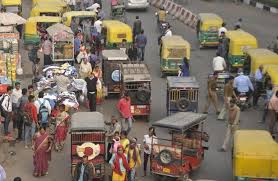
Traffic management is not just about controlling vehicles—it’s about planning movement efficiently. With the rapid rise of e-rickshaws, it becomes even more important for authorities to step in with structured policies and on-ground implementation.
A Question Worth Asking
When a visible issue continues for so long, people naturally start wondering why stronger action hasn’t been taken yet. Instead of speculation, what’s needed is clear communication, visible efforts, and consistent enforcement—so that trust in the system remains strong.
Final Thought
E-rickshaws are not the problem.
Unregulated growth is.
With the right balance of rules, infrastructure, and enforcement, they can continue to serve people efficiently—without disrupting the flow of the city.